My story
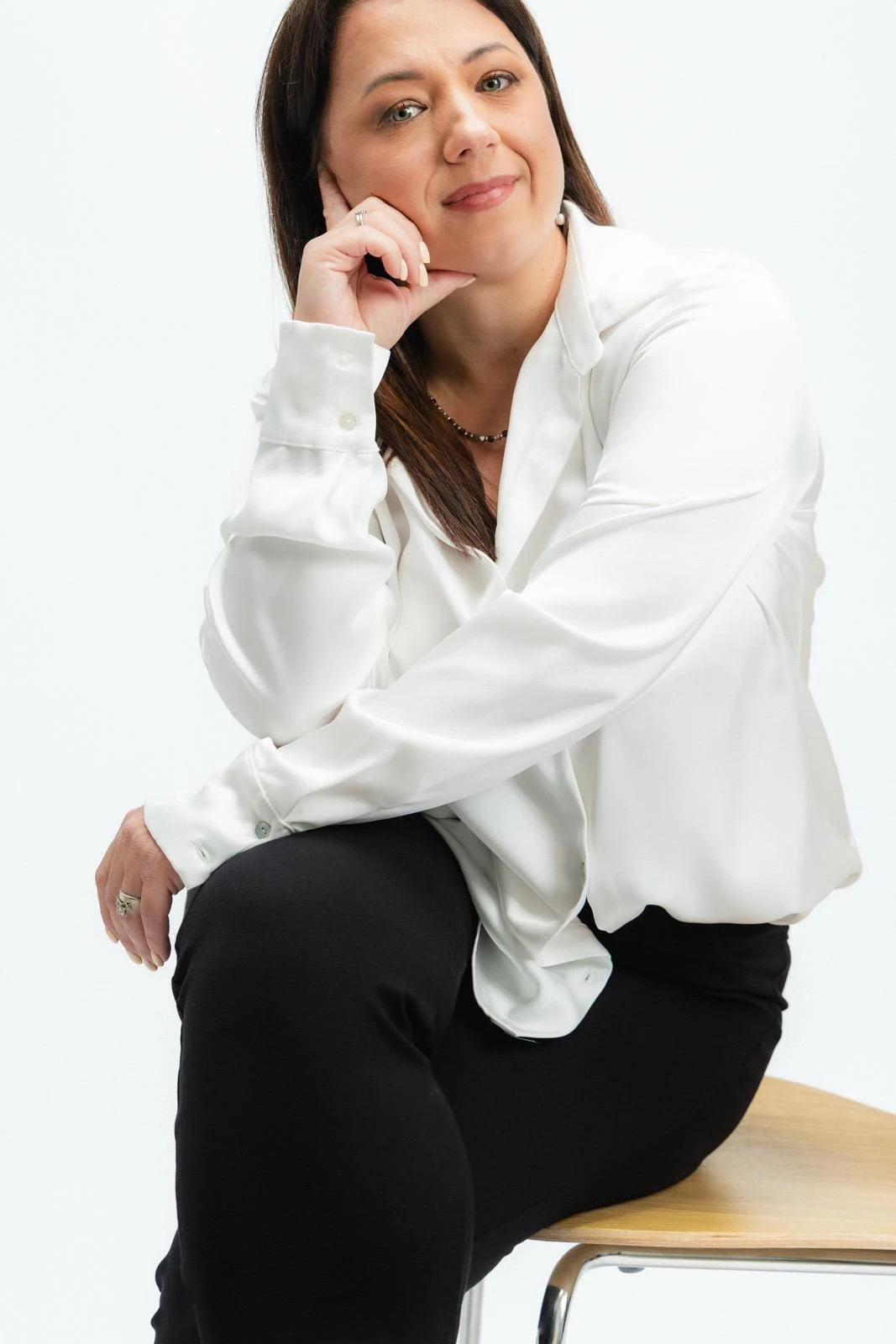
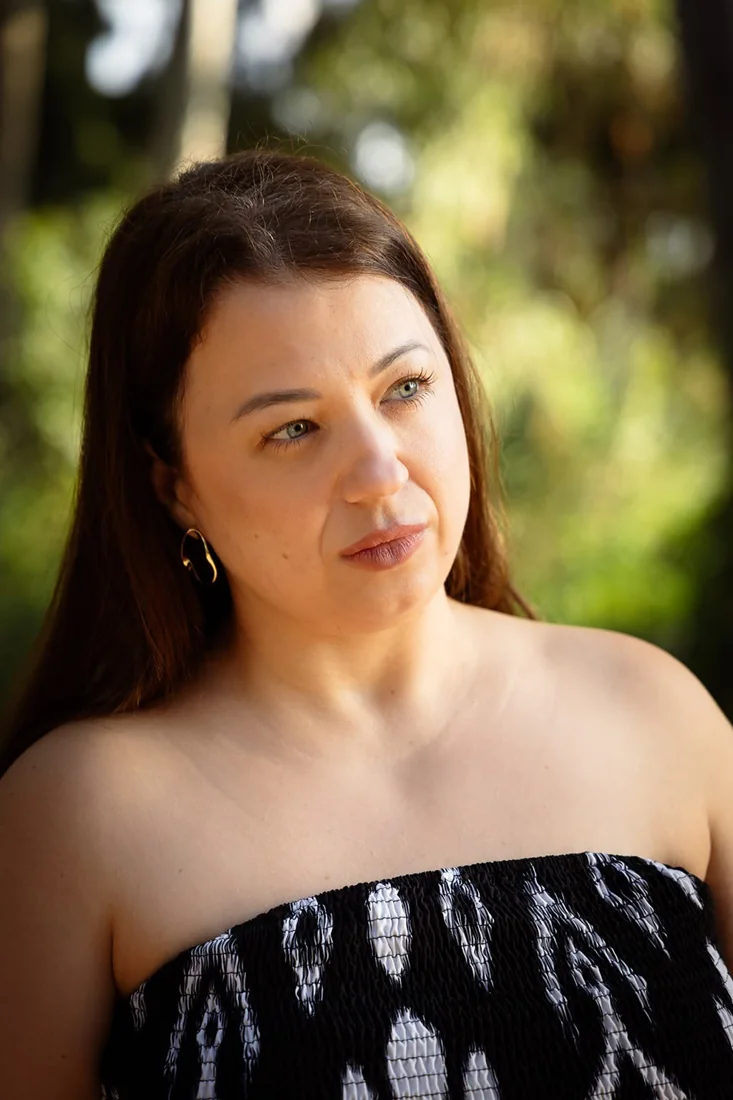
Yulia Hadar Atlas
Founder of ATLAS THINKING
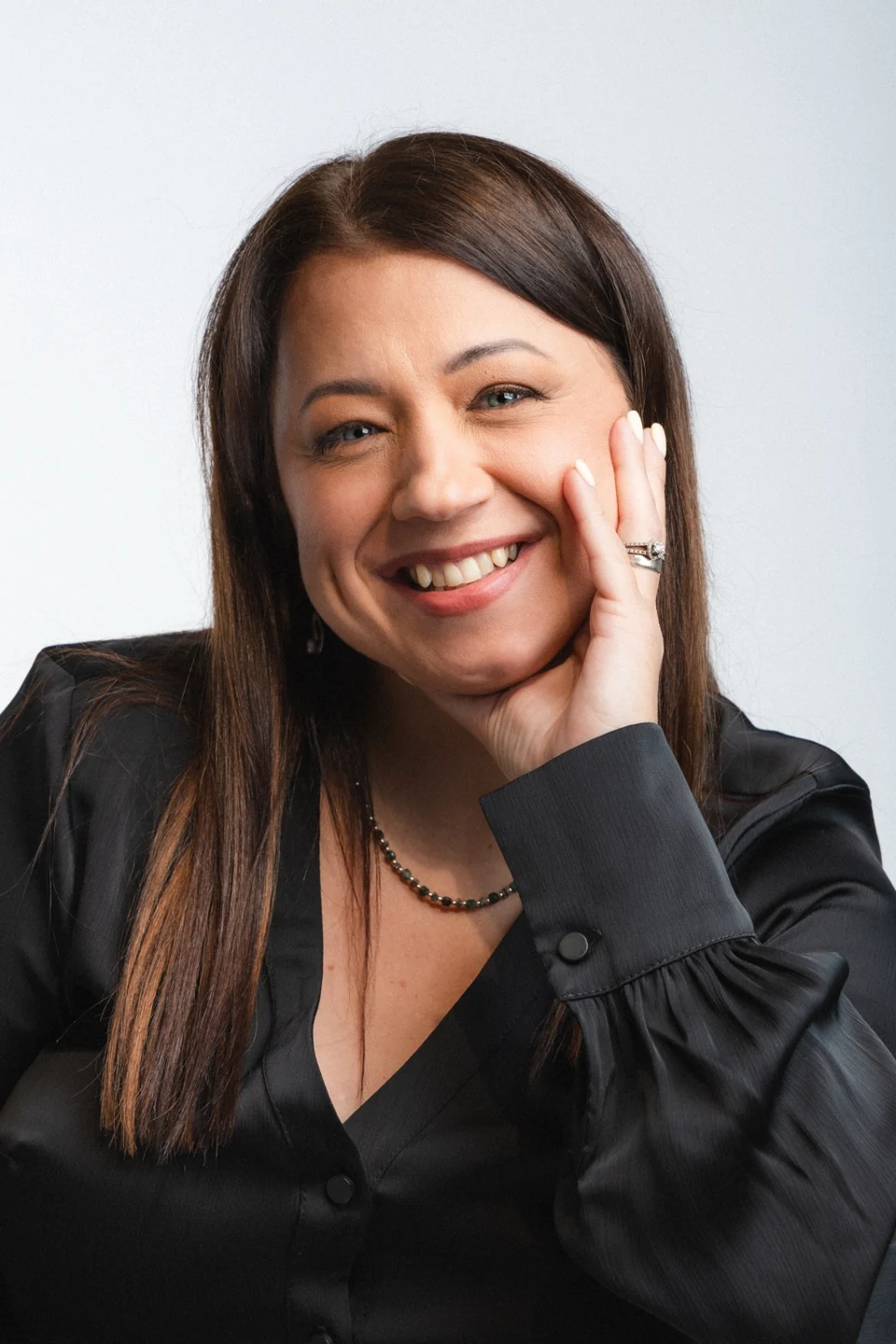
Who am I when my role changes?
I’m Yulia, married to Ran and the mother of Eitan and Adi. At Clalit, I was the person who liked to understand how things worked. In a senior procurement role, I watched decisions travel from leadership meetings to the people who had to carry them out in hospitals. I cared about the gap between what made sense in the room and what could actually work on the ground. I liked taking responsibility and seeing my work make a difference. Over time, the role, my achievements and the recognition I received became part of how I understood who I was.
When someone tells me “I have no choice,” I recognize what can happen when fear takes over. Doubts about what we are capable of and what we have to offer can narrow what feels possible. Losing confidence can make us rule out a step before we have even had a chance to look at it.
Read the full story
I reached a point where I felt I had much more to give, and there was no room for it in the organization. I had a fire in me that I couldn’t express, and it started to burn me from the inside. I wanted room to express who I was and put my beliefs and standards into practice.
When the opportunity to move into management closed, I had to decide whether to stay on the path I knew. I left during the war, while my husband, Ran, was serving in the reserves. I wanted more say in the work I did and how I did it. I also had less celebratory questions. How would we make a living? What if I was wrong? Who would I be the next day without a job title that explained me? I was weighing the security of a familiar salary and routine against my growing need to shape my own work, at a time when our family was already living with uncertainty.
I built Atlas Beauty in a field that was new to me. I built a clinic people recommended, invested in equipment and made choices that affected both money and people. Deciding whether to buy equipment, for example, meant weighing what it would let me offer clients against the cost and responsibility I would take on. I also had to decide where my limits were. Some decisions still make me proud. Some were hard to live with. Even then, I was interested in the person sitting in front of me, what mattered to them and what changed when they felt they had a choice.
As I describe in From Role to Essence, building a business went hand in hand with rebuilding how I understood myself. Investing, setting boundaries and making commitments raised questions about what I was willing to take on and how I wanted to live and work. Those questions became harder when I knew I wanted to stop doing treatments and still had responsibilities to clients and commitments to honor after closing. Once I decided to close, I still had to decide how. I looked for a way for clients with prepaid treatments to continue their series and considered what equipment to sell. The decision to close belonged to me. The way I carried it out affected other people.
What hurt most about closing the clinic was the thought of losing the value of what I had built, the professional recognition I had earned and the relationships I had formed with my clients. For the first time, I felt people knew me through the way I worked and the person I was with them.
Until then, when I left something, I usually knew where I was going. This time I had a general direction. I knew I had something to offer, but I didn’t yet know what to call it, how to make a living from it or how to help people recognize when they might need it. There were financial losses, sleepless nights and anxiety about what might come next. I still had decisions to make and people counting on me.
- What was at stake?
- My livelihood, the people I was responsible for and the commitments I had taken on.
- What shaped the choice?
- What I knew then, what I feared and who I was used to being.
- What can the outcome teach me?
- Which assumptions held up and what I would weigh differently next time.
I often understand what I think by talking it through. My mind moves quickly, and saying things aloud helps me notice what keeps coming up and what I haven’t given enough attention to. I need freedom to create and room to change direction. I can bring lightness to a conversation and still feel things deeply. When something matters to me, I give it my whole heart. When I feel I’ve lost touch with what made it matter, I ask whether it still has a place in my life.
That is where the Decision Lab begins. We look together at the practical constraints and at what the person’s fear and doubts may be leading them to rule out. I want them to leave having discovered options they hadn’t thought they could act on, and able to say: “I can finally see a way forward. I know what I can check or try next.”
Talk to me about a decision you’re facing
I share the middle of the story, too.
I share the choices I’m still making, too. What am I trying to protect, what am I afraid to lose, and what options haven’t I seen yet?
Read the full essay
When we talk about decision-making, we might picture senior leaders in a distant meeting room. But an ordinary day is full of choices we barely name. Do I speak up about what bothers me or stay quiet another day? Do I say yes when I know I have no room for more? Do I explore an option that interests me or dismiss it before I look?
These choices add up. From the smallest to the one that changes our direction, they shape the reality we live in, what we achieve and who we become along the way.
Sometimes I share a decision I’m proud of. Sometimes I share one that led to failure. And sometimes I share while I’m still in it, trying to understand what’s driving me. Am I choosing based on what matters to me now? Am I trying to prove something? Am I still acting like the person I used to be, even though my life has changed?
Something that looks like a step back from the outside can be exactly what gives me room to breathe again. Something that looks like progress can come at a cost only I can assess. That’s why I keep asking what success means, and whose measure I’m using.
For me, getting better at decisions means paying attention to how we think while there’s still room to choose. We can listen to people around us, exercise our own judgment and look for options we haven’t seen yet. That’s what I’m building through ATLAS THINKING, while living through the decisions myself.
More portraits
Sometimes the choice that looks like a step back is what gives us room to move again.